Two hours can feel like a lifetime when your child is in the NICU.
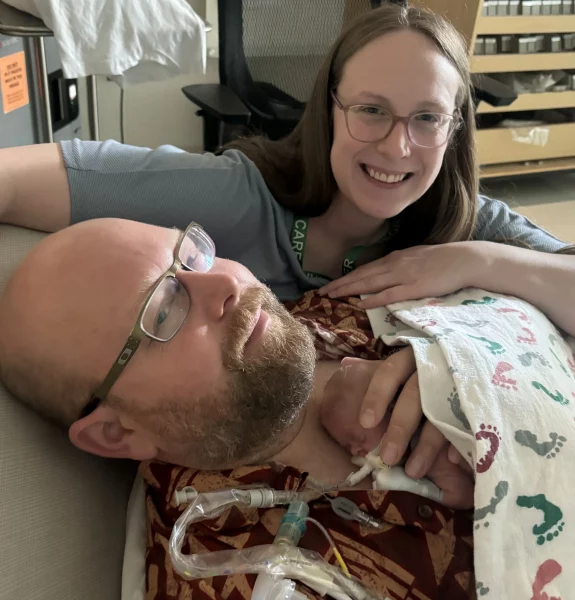
“We live in Lynden, WA,” says Ivan. “On a good day, it’s a two-hour commute to the hospital.” Before they were admitted to Ronald McDonald House, he and his wife, Mara, tried to make it work from a hotel in Northgate. It was the only place they could afford within city limits.
“It wasn’t a great hotel,” he admitted. “The parking was dangerous—lots of break-ins—and there was no on-site laundry. We were going to laundromats every other day. That cut into our time to see our daughter, Wren.”
Every hour mattered. Every missed morning round felt like a loss.
Then a room opened at the House.
Close Enough to Hold Her Longer
“The close proximity to Seattle Children’s Hospital meant the most,” he said. “We could walk there and back anytime.” Instead of fighting traffic, they were present for morning rounds, able to speak directly with their daughter’s medical team. Instead of watching the clock, they could stay longer—holding her, comforting her, learning the rhythms of the NICU.
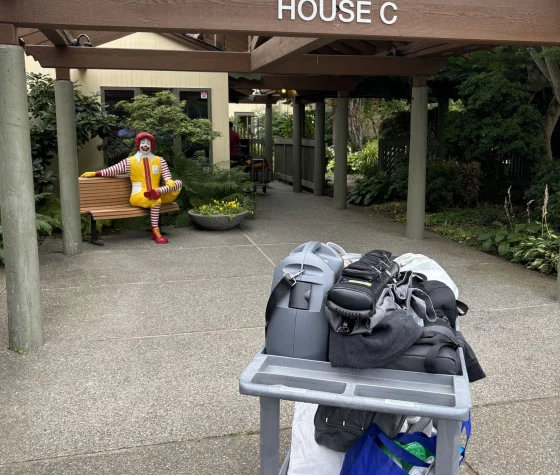
“Most of all,” he said, “it kept us sane knowing we had a place to stay throughout our child’s stay at the hospital.”
The Small Things That Made a Big Difference
Practical things became lifelines. Metropolitan Market next door made groceries possible. “Conveniently placed but not so conveniently priced,” he laughed. Still, having a kitchen changed everything. “We could finally cook meals. And when we were too tired, there were pre-cooked meals waiting.” Laundry was free and on-site. “That saved us loads of stress.”
There were moments of unexpected light, too. During the holidays, the Holiday Toy Room offered toys that made them feel seen. Ivan was given tickets to a Kraken game—his first time at the stadium. “A few days later, five of the players came to visit the House. They asked about our daughter in the NICU. That was really special.”
When work called them back, the House made room for grandparents to step in and hold their space. “That made a huge difference in managing our schedules and stress.”
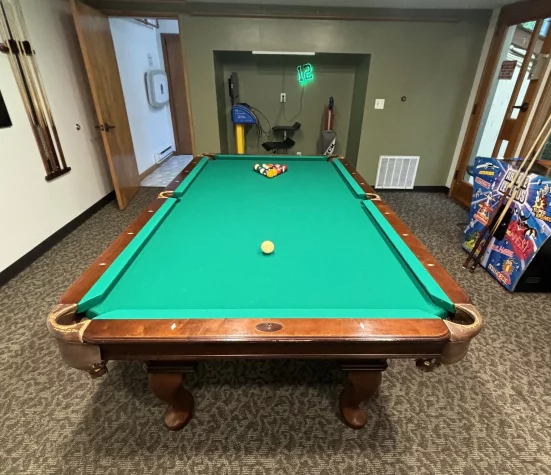
And sometimes, comfort looked like a pool table.
“I’m an avid pool player,” he said. “I missed being able to play and connect with my friends. But the House had a table—not a bad one either. I could invite friends to visit. That meant a lot.”
In kitchens and hallways, they met other parents living the same long days. Conversations turned into friendships. Isolation softened into community.
Pool table in House C
A Safe Place to Stay
Without the House?
“Dire,” he said plainly. “We were on stress overload. Food was getting expensive. The commutes were exhausting. Knowing we had a safe place to sleep close to our child made all the difference in keeping our sanity.”
And that is what mattered most — it was proximity, it was presence, it was being close enough to whisper goodnight.
When your child is fighting for their life, sometimes the greatest gift is simply this: a place to stay, just steps away, so you don’t have to miss a single moment.
How you can help today
Thanks to your generosity, kids like Wren and their families have a place where they can be themselves, surrounded by care, support, and hope. Give now.